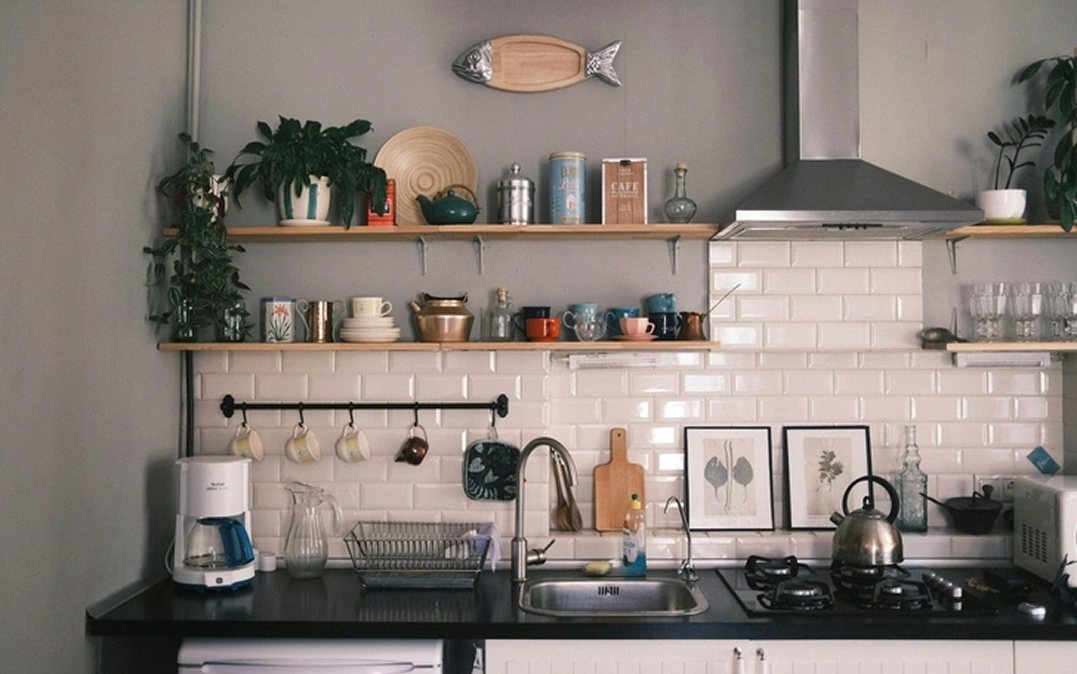
The deceptive appeal of clear surfaces
In UK homes, open surfaces — countertops, tables, shelves, and desks — are often associated with cleanliness and organisation. Minimalist interiors emphasise bare surfaces as a visual signal of control.
Advertisement
Yet, ironically, the very openness that conveys order often becomes a magnet for clutter. Objects accumulate, and what began as a tidy space can quickly feel chaotic. Understanding why this happens requires looking at both psychology and practical use.
The “landing zone” effect
Open surfaces are convenient. They act as temporary holding areas for items in transition:
-
Keys dropped near the door
-
Mail left on a side table
-
Phones, chargers, or cups placed within reach
Because they are immediately accessible, open surfaces invite repeated “just for now” deposits. Each temporary placement reinforces the habit, and over time the surface stops being an organised area and becomes a catch-all.
Cognitive visibility and attention
Humans are visual creatures. Items in plain sight constantly register in the brain, even if subconsciously. This has two consequences:
-
Immediate temptation – Objects in view invite interaction, distraction, or movement.
-
Perceived incompleteness – The presence of multiple items triggers a mental sense that the space is disorganised, increasing cognitive load.
In essence, open surfaces communicate “unfinished” to the mind. They provoke the desire to act, but without a structured way to process the items, the result is mental friction and stress.